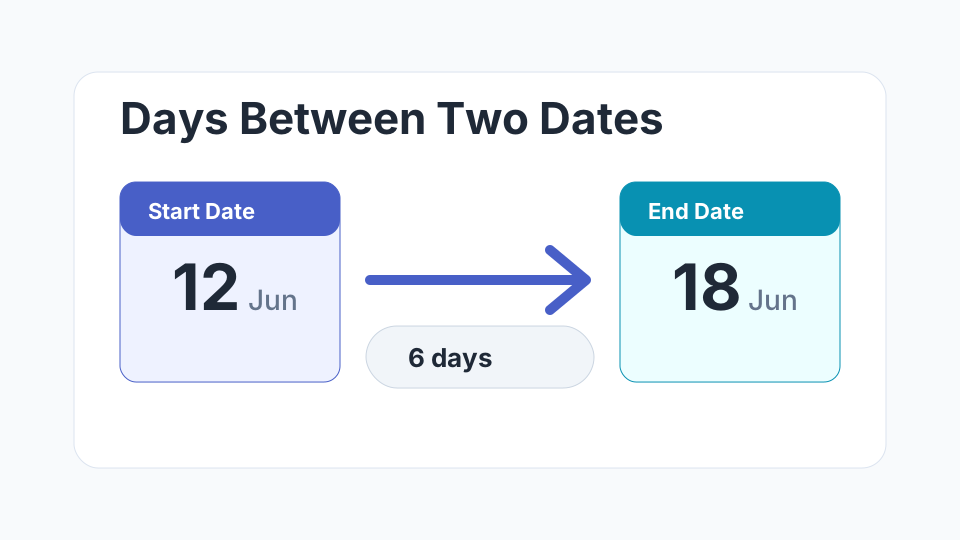
Counting days sounds simple until a form, deadline, travel plan, invoice, subscription period, or project schedule needs an exact answer. The most common mistake is not deciding whether the final date should be included.
Use the free calculator
For a quick answer, open the Days Between Dates Calculator. You can also use localized versions: German, French, Japanese, and Spanish.
Open Days CalculatorCalendar Days vs Business Days
Calendar days count every day in the range, including weekends. Business days usually count Monday through Friday and skip weekends. Some workflows also exclude public holidays, company holidays, or school breaks.
When to Include the End Date
Use inclusive counting when both the start and end dates are part of the period. For example, an event from Monday to Wednesday includes Monday, Tuesday, and Wednesday. Use elapsed counting when you only care about the distance between dates.
Common Use Cases
- Calculate days until a deadline, trip, appointment, or event.
- Count working days for a project plan or service agreement.
- Check how long a document, subscription, permit, or contract period lasts.
- Compare date intervals in weeks, months, and years.
FAQ
Can a date calculator replace official rules?
No. It helps you calculate accurately, but some official forms define their own counting rules.
Do leap years matter?
Yes. A good calculator uses real calendar dates, so February 29 and different month lengths are handled automatically.
Why did my business day result change after adding holidays?
Holidays remove extra days from the weekday count, which is useful for work schedules and deadlines.