Learn how smaller WebP images can make pages feel faster without changing your layout. The goal is not to chase the smallest possible file or the fanciest format. The useful result is the one that stays readable, opens correctly for the recipient, and solves the upload, sharing, or publishing problem you actually have.
When this matters
This topic usually comes up when a file is rejected by an upload form, loads slowly on a website, is too large for email, or is difficult for someone else to open. Before changing the file, decide what the receiver needs: a smaller file, a different format, separate pages, or a cleaner visual result.
Step-by-step
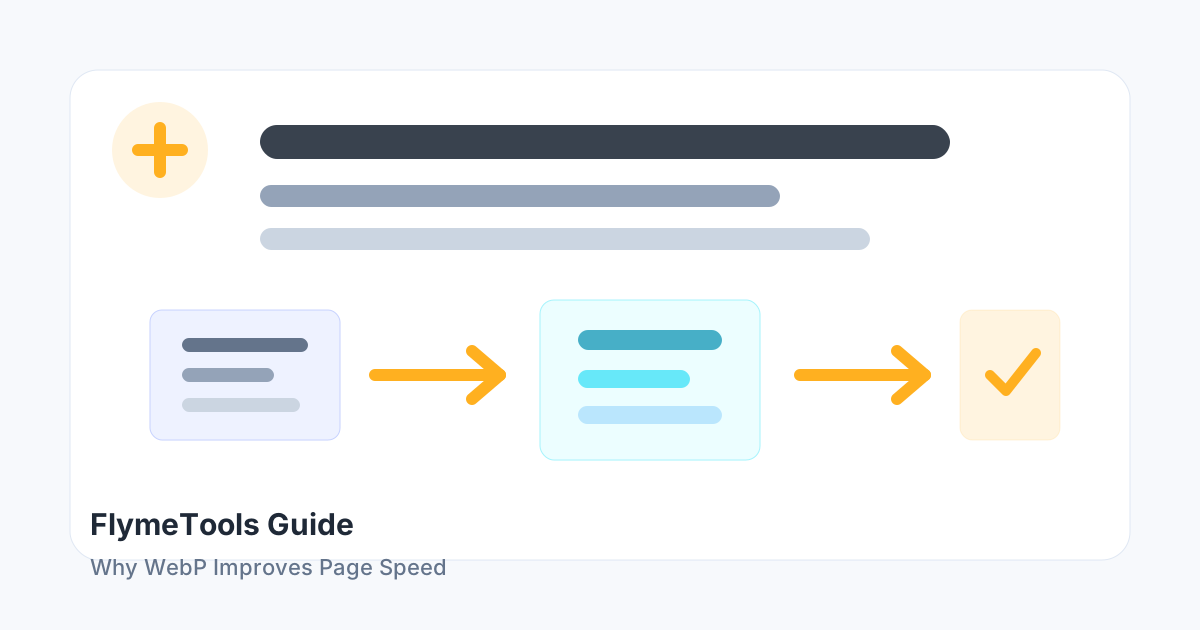
- Choose a JPG or PNG image used on your page.
- Convert it to WebP and compare file size.
- Upload the WebP version where your platform supports it.
- Check the page visually after replacing the image.
What to check before you send it
- WebP often stores similar-looking images with fewer bytes.
- Smaller images download faster on mobile connections.
- Faster pages feel better and can support stronger engagement.
- Keep the original file until the recipient confirms the new version works.
Try it with FlymeTools
Use the JPG to WebP tool to apply this workflow directly in your browser.
Open JPG to WebPCommon mistakes
The most common mistake is using the strongest setting or conversion option first. That can create unnecessary quality loss or make the result harder to use. Start with the least destructive option, inspect the output, and only go further when the file still does not meet the requirement.
FAQ
Does WebP automatically improve SEO?
Not directly by itself, but faster pages and better user experience can support SEO performance.
Can every browser show WebP?
Modern browsers generally support WebP, but check your audience and platform requirements.
Should I convert every image?
Start with large images that appear high on important pages.